
What It Looks Like on Live Projects
Picture your legacy code moving again. Senior engineers stay in charge, agents take on the repetitive work, and changes reach production sooner and more safely than before.
faster delivery than the original build when we rewrote Vouch’s native apps in React Native
Claude Certified Architects on our engineering team
days from kickoff to the first production release on PayFURL’s live payments platform
of the Vouch app rewritten and running after the first month
Why AI Agents?
Legacy code doesn’t fail because teams don’t care. It fails because modernization competes with roadmap work, and the backlog never gets smaller. AI agents help when you treat them as a delivery system, not a coding trick.
Parallel Execution
The biggest speed multiplier. One engineer can supervise multiple agents working at the same time on 30-minute to 3-hour tasks.
Developer Time First
Tokens cost money, but developer hours cost more. The workflow is designed to reduce supervision overhead and keep review manageable.
Proof Over Promises
We start with a scoped pilot, measure output, then decide how to scale across the codebase.
Built for Enterprise Environments
Agents can move fast. Enterprise codebases demand control. We design modernization work so agents help where they’re strong, and pause where judgment is needed.
Human Oversight
Architecture, risk calls, and final merges stay with your engineers. Agents surface context and wait for approval when the change impacts core behavior.
Isolated Workstreams
We run one task per isolated workstream to avoid conflicts and keep agents productive while other work continues.
Feedback Loop Through Tests
Agents don’t just “finish.” They validate. CI checks and functional tests are part of the loop so output is verifiable, not just plausible.
Task-Sized Delivery
Work is decomposed into agent-sized units (30m–3h). That keeps context under control and improves consistency across a long run.
Task Routing
When input is ambiguous or risk is high, the agent stops, explains what it found, and routes the decision to the right person.
Access Boundaries
We define what the agent can see and touch: code, docs, or designs. Sensitive data paths are handled through restrictions, anonymization, or local workflows.
What AI Agents Can Do in a Modernization Pilot
Agents support modernization across product engineering work, not by replacing developers, but by taking on execution-heavy tasks under supervision.
Refactoring & Cleanup
Reduce legacy drag with structured refactors, targeted cleanup, and consistency work that usually stalls behind feature delivery.
Migration Support
Handle framework/library upgrades and repetitive conversions with a proven pattern that can be scaled across many similar components.
Test Coverage Lift
Add or adjust tests where they unlock safer change. Agents can draft tests and iterate based on failures, with engineers reviewing intent and gaps.
UI Consistency Work
Where design access is approved, agents can iterate toward UI parity. Engineers keep control of architecture and edge-case behavior.
Security and Dependency Hygiene
Automated dependency updates and supply-chain monitoring become part of the modernized codebase, which makes compliance work such as SOC 2 easier to keep up with.
Knowledge Capture from Code
Agents research the codebase first and write their findings to shared files that engineers review, so every next task starts from the same context. This is how PayFURL’s six-year-old payments platform was documented within the first quarter.


The whole project was done with agentic AI, and nomtek clearly knows how to make that work in practice. One of their senior engineers had never written React Native before and was contributing from day one. That is how we got a full rewrite done in about half the effort of the original build.

Agentic Modernization Use Cases
Legacy Mobile Modernization
Aging native apps become one codebase your own team can maintain, while the features users depend on keep working. We rewrote Vouch’s separate Kotlin and Swift apps as one React Native app, and vlayer’s React team now runs it without native specialists.
Framework or Library Migration
We prove the migration on one reference path first, and then agents replicate it across the codebase behind quality gates. For Vouch, every feature was assigned to React Native or native code in a migration plan before any code moved.
Codebase Takeover
When a technical lead leaves or a vendor relationship ends, agents help a new team understand an inherited codebase in weeks while the roadmap keeps moving. On PayFURL’s live payments platform, unit tests more than doubled between January and September 2026, and PCI DSS compliance held throughout.
Let’s Talk About Your Project


Case studies
Go beyond the obvious. Co-create with teams who value impactful experiences and products.
Taking over a live legacy payments platform in 30 days and scaling a lean fintech with Claude
PayFURL
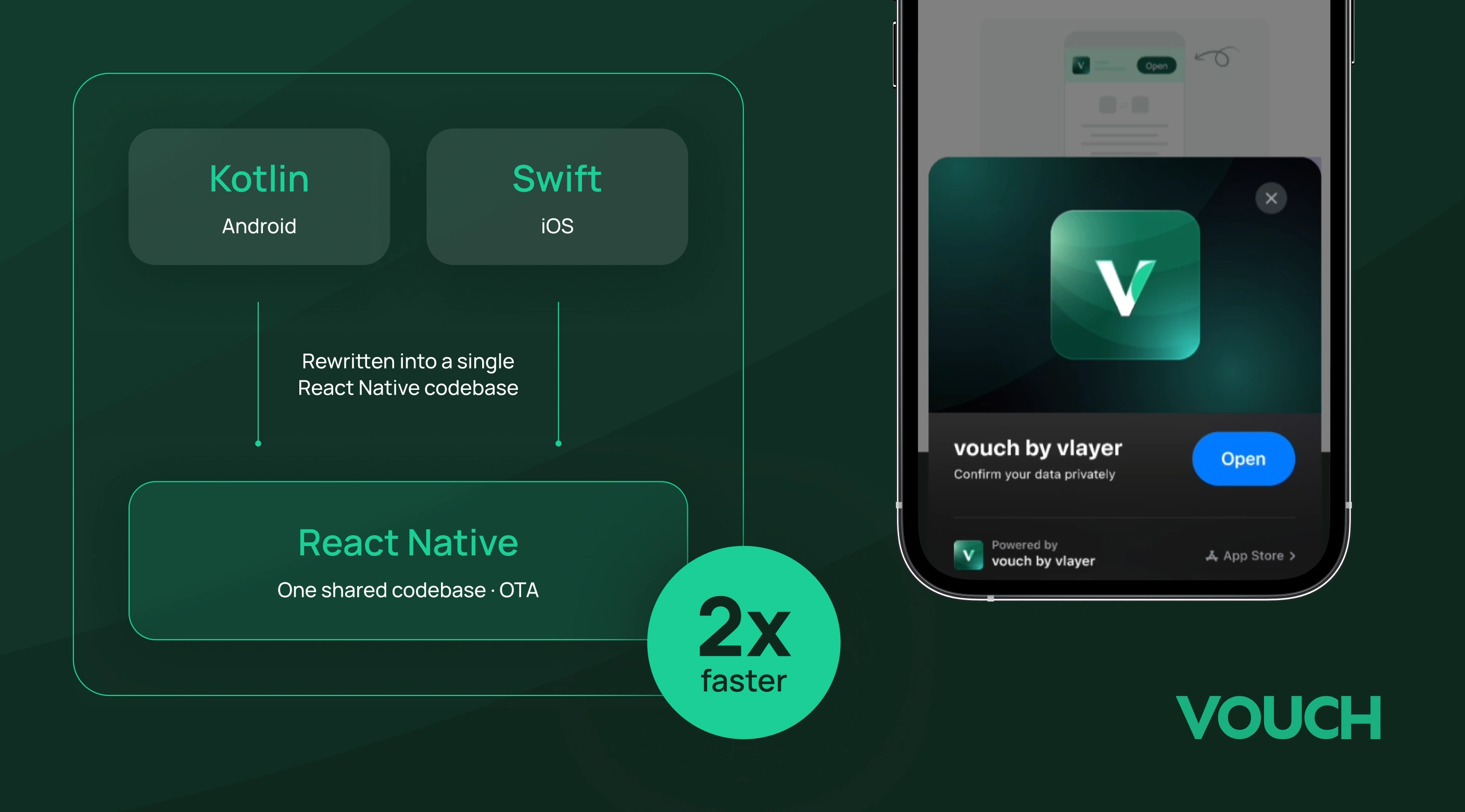
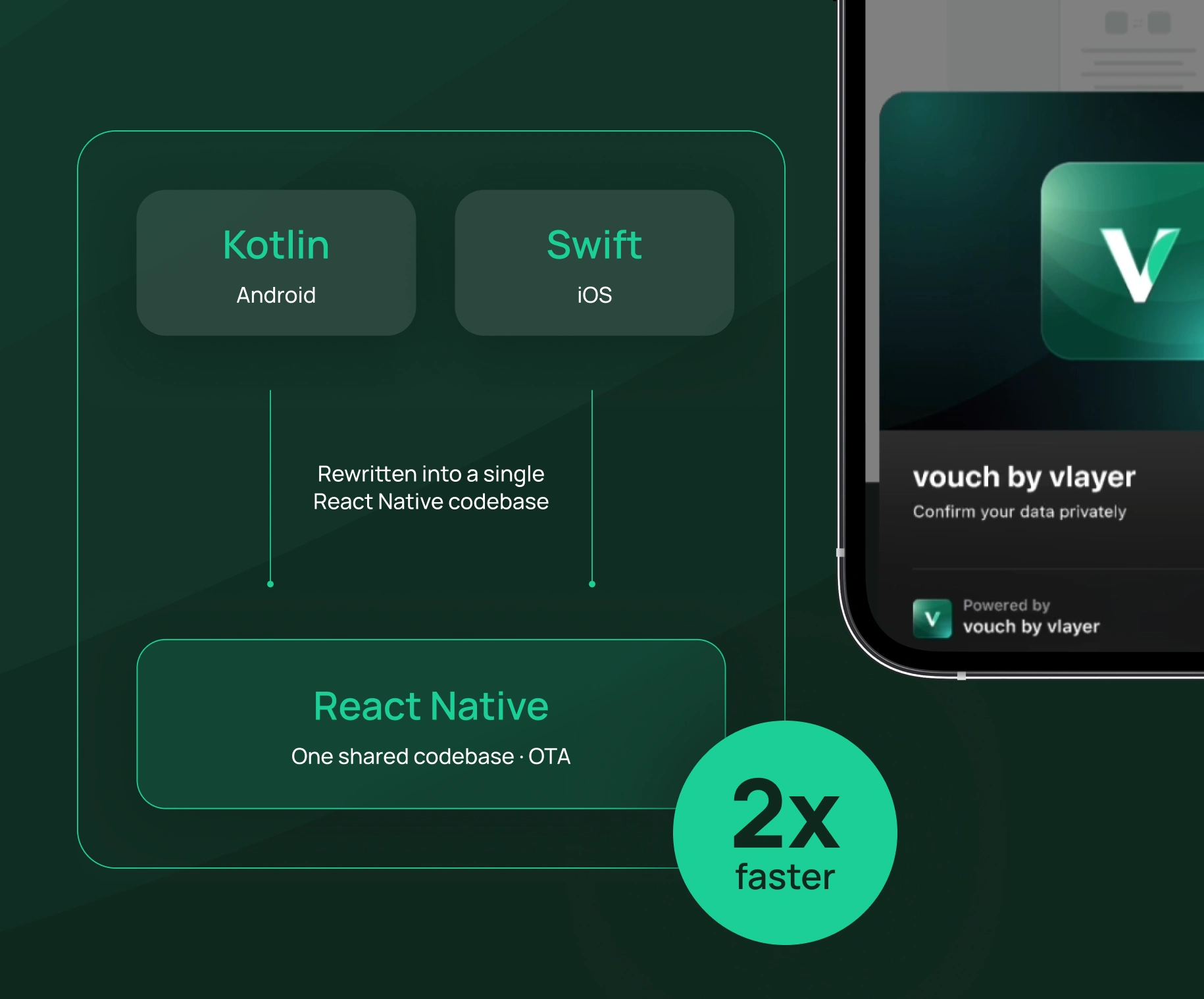
Native to React Native, shipped 2x faster with agentic coding
vouch
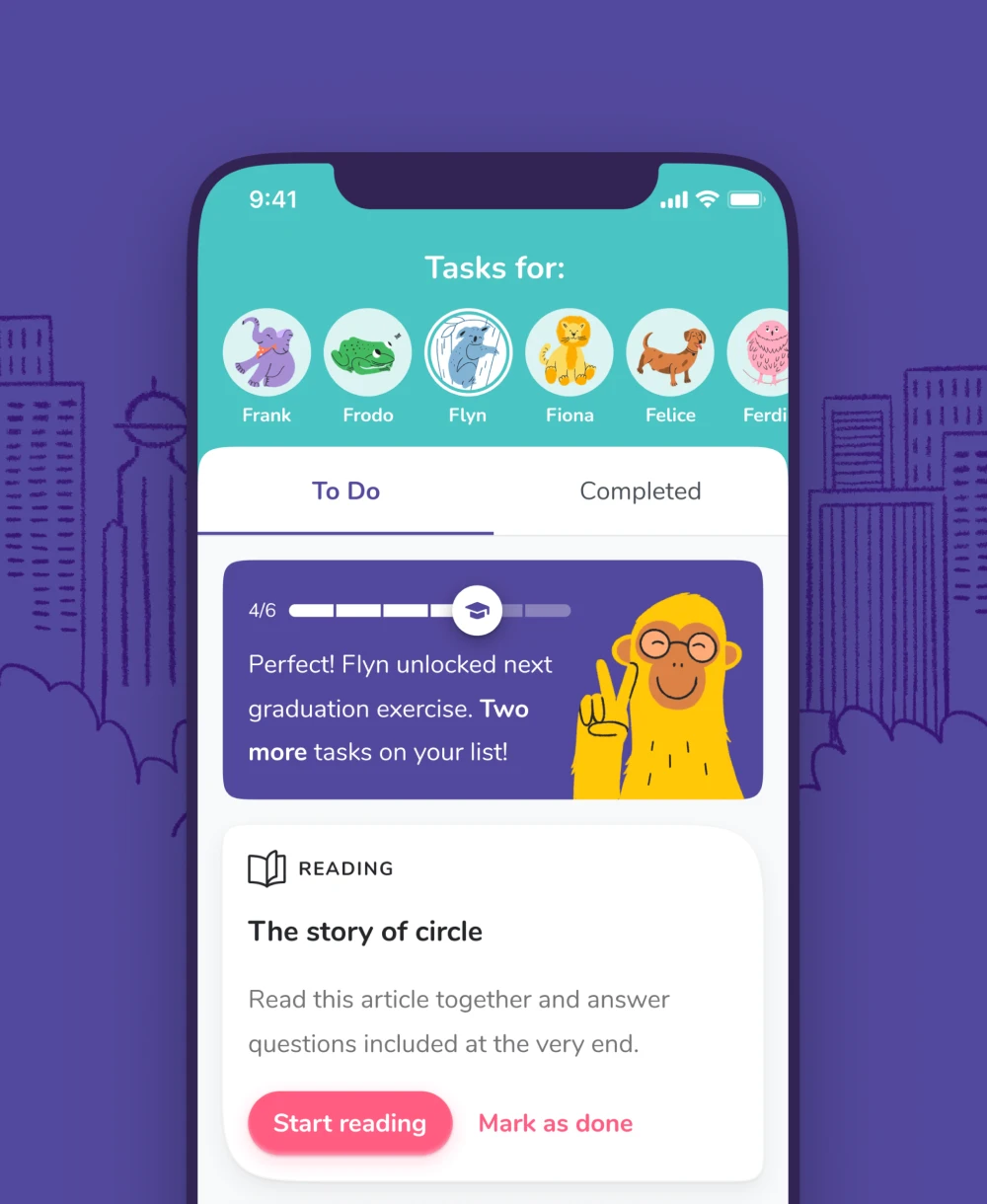
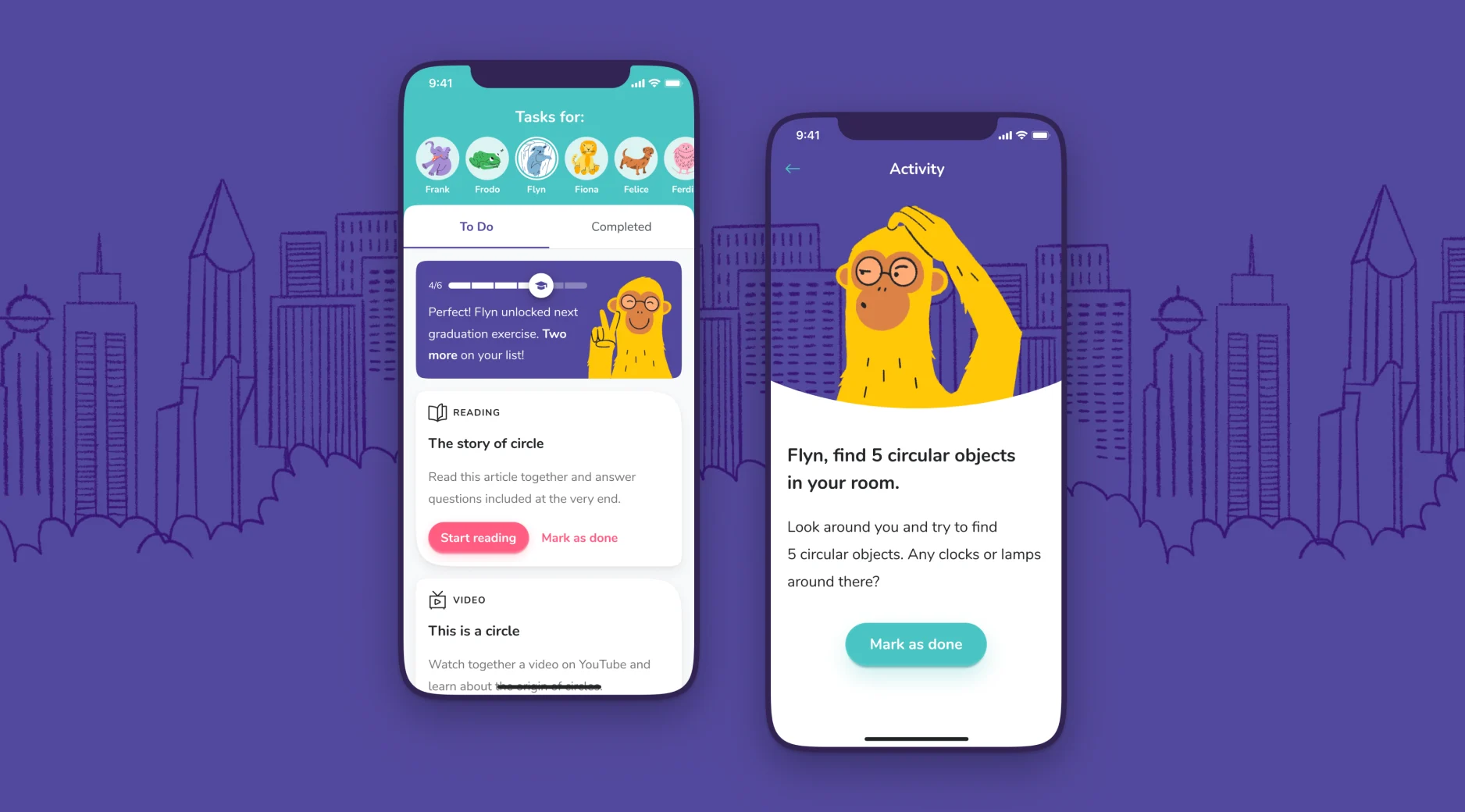

Cutting 25% off Code Transformation Time Using AI and RAD Methodologies When Migrating to Flutter
Kidappolis
